
A mission-first perspective
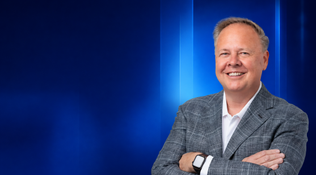
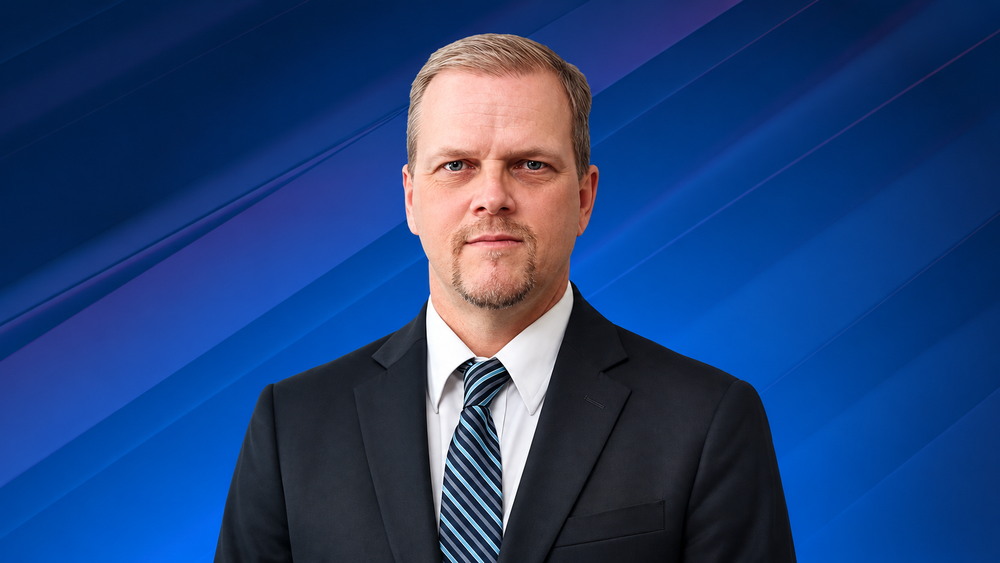
Acronis Chief Information and Security Officer (CISO) Gerald Caron connects modern cyber defense with mission outcomes, Zero Trust and the responsible use of AI. His perspective places the mission at the center of cybersecurity, drawing on a career in public service, where security decisions are closely connected to accountability, continuity and mission outcomes.
Security that starts with the mission
Caron’s mission-centric approach is shaped by his experience in public service. A former member of the Senior Executive Service, he held CIO roles at the U.S. Departments of Commerce and Health and Human Services and served in multiple technical roles at the State Department, in addition to his service with the U.S. Army. Those environments place importance on accountability, operational discipline and continuity under pressure. That background adds practical context to his focus on aligning cybersecurity with organizational priorities, managing risk deliberately and helping teams sustain the missions they are responsible for delivering. He discusses this perspective in a Q&A with The CIO Magazine.
His appointment comes as organizations face a difficult balance. They must adopt artificial intelligence to improve speed and insight while managing the new risks that AI can introduce. They must support distributed users, devices, applications and data without relying on a traditional network perimeter. And they must make security stronger without creating unnecessary friction for the people responsible for delivering the business mission.
“My biggest goal is to contribute positively to Acronis’ success and support the company’s broader mission. I am proud to do my part and help colleagues across the organization. If the company is successful, then I am doing my job supporting that mission and the others within the company. In five years, I certainly hope to be doing an update to this interview, saying I have been a proud part of the Acronis team for five years and have a strong list of accomplishments to share from that five-year journey.” — Gerald Caron, CISO of Acronis, as cited in The CIO Magazine
That mission-first mindset changes the conversation. Instead of asking only whether a control has been deployed, security leaders can ask whether it reduces meaningful risk, supports resilient operations and helps teams make better decisions. This approach also creates a clearer connection between cybersecurity investments and organizational priorities, making security more understandable to executives, technology teams and end users.
Zero Trust as an operating model
Zero Trust is central to Caron’s view of modern defense. It is not a single product or a one-time implementation. It is a continuing operating model based on explicit verification, least-privilege access and the assumption that trust must be evaluated rather than inherited.
Applied well, Zero Trust helps organizations move beyond perimeter-focused security. Identity, devices, applications and data become part of every access decision. The result is a more adaptable approach for cloud services, remote work and complex technology environments. Just as important, Zero Trust encourages organizations to understand their assets and users, strengthen visibility and make access decisions based on context.
Using AI with purpose and accountability
Artificial intelligence can help security teams analyze large volumes of information, identify patterns and respond with greater speed. Caron’s perspective also underscores the need to apply AI deliberately. Technology should augment human judgment, not obscure accountability. Organizations need clear governance, reliable data and defined use cases so that AI supports the mission while its outputs remain explainable and reviewable.
This balanced view is especially relevant as attackers also use AI to increase the speed and sophistication of their operations. Defenders need innovation, but they also need disciplined implementation. AI delivers the greatest value when it is connected to sound security fundamentals, skilled people and repeatable processes.
Building resilience through leadership
The common thread across Caron’s approach is resilience. Strong cyber defense depends on technology, but it is sustained by leadership, culture and execution. Security teams must communicate risk clearly, collaborate across functions and continuously adapt controls as missions, systems and threats evolve.
For Acronis, Caron’s leadership brings a seasoned, mission-oriented voice to the company’s security strategy. His focus on Zero Trust, responsible AI and practical risk management reflects the realities facing organizations today. Cybersecurity must protect what matters, enable progress and help the organization continue operating when conditions change.
That is the opportunity in front of modern security leaders: to turn security from a barrier into a trusted part of how the mission succeeds. Caron’s approach offers a clear foundation for doing exactly that.
To explore these ideas in greater depth, read the full Q&A with Gerald Caron in The CIO Magazine, “Transforming cyber defense with AI and Zero Trust.”
Written by
About Acronis
Acronis is a leader in AI-native cyber protection, unifying data protection, cybersecurity, IT operations and hybrid infrastructure to deliver business continuity, security and compliance with less cost and complexity. More than 21,000 service providers trust Acronis to protect over 750,000 businesses in 150 countries. Acronis is headquartered in Schaffhausen, Switzerland.