Identity theft is no longer just about lost wallets or stolen credit cards—it’s a growing digital threat that can start with something as simple as opening an email, clicking a link, or sharing information online. Criminals can use your personal data to open accounts, make purchases, or commit fraud in your name, and may also use your information to commit crimes beyond financial fraud, often leaving victims unaware until serious financial or legal damage occurs. Protecting your identity requires awareness, proactive security habits, and the right tools to safeguard sensitive information, including other personal information such as account numbers and addresses. This guide covers practical steps, online safety practices, and how solutions like Acronis True Image Premium can help protect your digital identity and personal data.
Monitoring your credit reports and financial accounts is essential for early detection and minimizing damage. Strong, unique passwords and multi-factor authentication reduce the risk of account takeover. Sensitive information like social security numbers and financial records should only be shared with trusted organizations and secure channels. Using identity protection tools, such as Acronis True Image Premium, adds an extra layer of protection against ransomware, malware, and unauthorized access. Consistent online safety habits—like avoiding public Wi-Fi for sensitive tasks and recognizing phishing attempts—significantly reduce the chances of identity theft.
Key takeaways
- Identity theft can happen through both physical and digital channels—email, phone calls, websites, and compromised devices.
- Identity thieves steal personal information like your name, address, credit card numbers, and Social Security number.
- Monitoring your credit reports and financial accounts is essential for early detection and minimizing damage.
- Strong, unique passwords and multi-factor authentication reduce the risk of account takeover.
- Sensitive information like social security numbers and financial records should only be shared with trusted organizations and secure channels.
- Using identity protection tools, such as Acronis True Image Premium, adds an extra layer of protection against ransomware, malware, and unauthorized access.
- Consistent online safety habits—like avoiding public Wi-Fi for sensitive tasks and recognizing phishing attempts—significantly reduce the chances of identity theft.
Introduction to identity theft
Identity theft is no longer limited to stolen wallets or hacked databases. It often starts with small, everyday interactions such as opening an email, answering a phone call, or signing up for an online service. In this section, we break down what identity theft actually is, how criminals misuse personal information, and why early awareness is critical before real financial or legal damage occurs.
What identity theft really means
Identity theft occurs when someone steals your personal information and uses it to impersonate you for financial or criminal gain, which can include using your information to commit crimes in your name. This can include opening credit accounts, making purchases, or committing fraud in your name without your knowledge. In many cases, victims only discover the issue after noticing unusual charges or damage to their credit score.
Why identity theft is so damaging
Once an identity thief gains access to your information, the consequences can escalate quickly. Debts, legal issues, and long recovery processes are common, often requiring months to resolve. Regularly monitoring your credit reports and financial activity helps detect problems early and limits long term impact.
Reducing your risk through awareness
Most identity theft begins with simple tactics such as phishing emails, fake phone calls, or fraudulent websites. Being cautious with unsolicited requests and verifying sources before sharing information significantly lowers your risk. Awareness alone can prevent many identity related crimes before they start.
Protecting sensitive information
Most identity theft incidents begin with the exposure of personal data rather than sophisticated attacks. This section focuses on practical ways people unintentionally share sensitive information and how those moments create opportunities for fraud. You’ll learn what types of information require the most protection, including account numbers, bank account details and debit card information, and how simple security habits significantly reduce risk.
Protecting your mail is also crucial, as thieves can intercept sensitive documents or financial statements.
Be especially cautious when sharing information about family members, particularly on social media, to prevent exposing details that could be used for identity theft.
To further protect your identity, regularly monitor financial statements for unauthorized charges or withdrawals, secure your mail using a locked mailbox or P.O. Box, keep a record of the contents of your wallet in a secure location at home, and shred documents containing personal or sensitive information before disposing of them.
Be selective about what you share
Sensitive details such as your social security number, birth date, and financial information should only be shared when absolutely necessary. Legitimate organizations rarely request this data through unsolicited calls or emails. If something feels rushed or suspicious, it usually is.
Strengthen account security
Strong, unique passwords are essential for protecting online accounts from unauthorized access. Reusing passwords across multiple services increases risk if one account is compromised; avoid using the same password for multiple accounts to prevent widespread access. A password manager can help securely store credentials while reducing reliance on memory. For added security, enable two-factor authentication (2FA) on your accounts.
Practice safe online habits
Online shopping and banking require extra caution, especially when shopping on unfamiliar websites, especially on public or unsecured networks. Avoid entering sensitive information on public Wi-Fi and consider using a trusted VPN (virtual private network), to add security when accessing the internet through public Wi-Fi, when accessing important accounts. Reviewing bank and credit card statements regularly helps catch fraudulent activity early, before it becomes more serious.
Protect your computer by installing antivirus software, keeping your operating system and applications updated, and locking your computer when not in use to safeguard personal information.
Credit monitoring and reports
Credit activity is often the first visible signal that identity theft has occurred. This section explains how credit reports and monitoring tools help detect fraud early. Reviewing your credit reports regularly is crucial for spotting suspicious activity and ensuring the accuracy of your financial information. Here, we cover what to look for when reviewing reports, and how regular monitoring can prevent long-term financial damage before it escalates.
You are entitled to a free copy of your credit reports every 12 months from the three nationwide credit bureaus. Consider staggering your requests to review your credit reports every four months for continuous monitoring.
Why credit monitoring matters
Regularly checking your credit reports helps you detect suspicious activity before it causes serious damage. Unauthorized accounts or sudden changes to credit are often the first signs of identity theft. Early detection makes recovery faster and less costly.
How to access your credit reports
You are entitled to one free credit report each year from Equifax, Experian, and TransUnion. Reviewing reports from all three bureaus gives a complete picture of your credit history. This information can also be used to place restrictions or alerts that limit unauthorized credit activity.
What to review and report
Carefully review each report for unfamiliar accounts, incorrect balances, or inaccurate personal details. Even minor errors can impact your credit score or signal fraud. Any discrepancies should be reported immediately to the credit bureau for investigation and correction.
Online safety and security
Everyday online behavior plays a major role in identity protection. In this section, we cover common online threats such as phishing, unsafe browsing, and unsecured connections, along with the core practices that help keep personal data safe across devices and accounts, and emphasize the need to protect your personal information online.
Fact sheets are available to provide concise privacy tips and online safety guidance for different audiences, supporting informed decision-making and responsible behavior.
Be wary of urgent demands for money, especially via gift cards or cryptocurrency.
Using strong and unique passwords
Strong passwords are a critical defense against unauthorized access. Each account should have a unique password that combines letters, numbers, and symbols. Reusing passwords increases risk if one account is compromised.
Recognizing phishing and scams
Emails and messages from unknown sources often attempt to trick users into revealing sensitive information. Avoid clicking on unexpected links or downloading attachments you were not expecting. Legitimate companies will not pressure you to share personal data without verification.
Securing your devices and connections
Keeping devices protected with updated antivirus software and firewalls reduces exposure to malware and attacks. Secure connections are especially important when accessing financial or personal accounts. Simple habits like keeping systems updated significantly improve overall online safety.
Federal Trade Commission guidance
When identity theft happens, knowing where to turn matters. This section outlines how the Federal Trade Commission supports victims, what steps it recommends for reporting and recovery, and the importance of reporting incidents to the relevant company or companies involved, such as your financial institution or service provider. The FTC can be reached at ftc.gov/idtheft or by calling their toll-free number (877) 438-4338. Its resources help limit damage and prevent repeat incidents.
Be sure to document your efforts to correct identity theft by making copies of all emails and letters and keeping detailed notes of phone calls.
How the FTC helps prevent identity theft
The Federal Trade Commission provides official guidance to help individuals protect personal information and reduce the risk of identity theft. Its recommendations focus on prevention, awareness, and early detection of fraudulent activity. These resources are designed to help people take practical steps before damage occurs.
What to do if identity theft occurs
If you believe you are a victim of identity theft, the FTC is one of the first authorities you should contact. Filing a report creates an official record that supports recovery efforts and helps law enforcement investigate the crime. Banks or credit bureaus may also require a police report.
Credit monitoring and fraud alerts
The FTC offers clear instructions on how to monitor credit reports and identify suspicious activity. It also explains how to place a fraud alert on your credit file to warn lenders of potential identity theft. These actions make it harder for criminals to open accounts in your name.
Recovery and prevention resources
Beyond reporting, the FTC provides step by step recovery guidance to help victims regain control of their identity. These resources help limit further damage and reduce the likelihood of repeat incidents. Ongoing education plays a key role in long term protection.
Social Security number protection
A Social Security number is one of the most valuable assets for identity thieves. This section explains why it is so frequently targeted, when it should never be shared, and how to reduce exposure while still handling legitimate situations that require it. When possible, only share the last four digits of your Social Security number to minimize risk. Your mother's maiden name is often used as a security question, so be sure to protect it and avoid sharing it publicly.
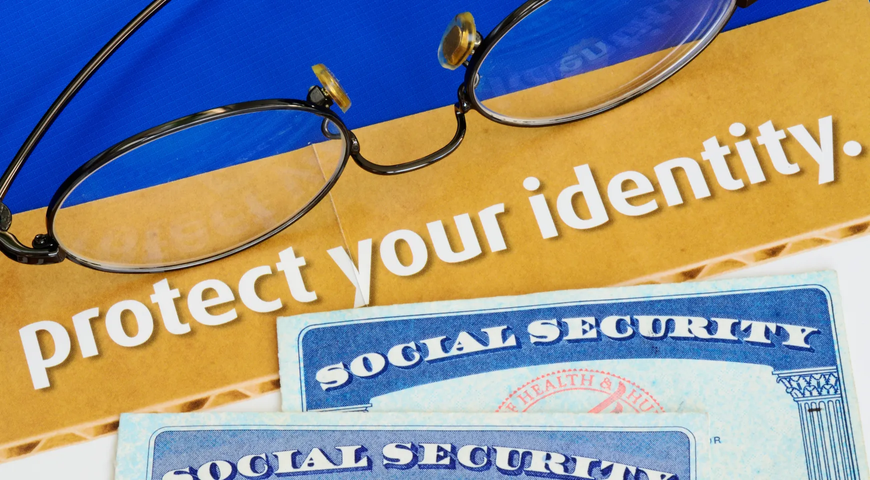
Remember: do not carry your Social Security card in your wallet.
Limiting the exposure of your Social Security number
Your social security number should be treated as highly sensitive information. Avoid carrying your Social Security card with you, as loss or theft can lead to immediate misuse. The fewer places your number is stored, the lower the risk of compromise.
Recognizing social security scams
Scammers frequently impersonate government agencies to trick individuals into revealing their Social Security numbers. Legitimate organizations will not demand this information through unsolicited calls or emails. Any unexpected request should be treated as suspicious.
Sharing your number safely
When sharing your Social Security number is unavoidable, ensure the organization is legitimate and the purpose is clearly explained. Use secure transmission methods rather than email or unsecured forms. Asking why the number is required is always reasonable.
Monitoring for misuse
Monitoring services can help detect whether your social security number appears on the dark web or in known data breaches. Early alerts allow you to respond before fraud escalates. This added visibility strengthens overall identity protection.
Dark web and identity theft
Stolen personal data is often traded and reused long after the initial breach. This section introduces how the dark web fuels identity theft, how compromised information circulates, and what warning signs indicate your data may already be exposed. Older adults and certain age groups are particularly targeted by identity thieves, making it essential to implement age-specific protection strategies to effectively protect your identity.
How the dark web fuels identity theft
The dark web is a hidden part of the internet where stolen personal information is frequently bought and sold. Identity thieves trade data such as social security numbers, credit card details, and login credentials. Once exposed, this information can be reused repeatedly for fraud.
Detecting signs of dark web exposure
Regularly reviewing your credit reports and bank statements helps you spot early signs of identity theft. Unexpected charges, new accounts, or unfamiliar inquiries may indicate your data has been compromised. Early detection limits financial damage and speeds up recovery.
Reducing account takeover risk
Strong passwords are a critical defense when stolen data circulates online. Using unique credentials for each account prevents criminals from accessing multiple services with one breach. Password managers help maintain this protection without relying on memory.
Practicing safer online behavior
Be cautious when sharing personal information online, especially on social media and unfamiliar websites. Avoid accessing sensitive accounts over public Wi-Fi or unsecured networks. These environments make it easier for attackers to intercept your data.
Password management and security
Weak or reused passwords remain one of the most common causes of account takeovers. This section covers how password habits contribute to identity theft, why password managers and multi-factor authentication matter, and how stronger credentials protect multiple accounts at once.
Creating strong, unique passwords
Each online account should have its own password to reduce the impact of a breach. Strong passwords use a mix of uppercase letters, lowercase letters, numbers, and symbols. This makes them significantly harder to guess or crack.
Using password managers and authentication
Password managers generate and store secure passwords without requiring you to remember them. Adding two factor authentication provides an extra layer of protection even if a password is exposed. Together, these tools greatly reduce account compromise risk.
Protecting stored credentials
Passwords should never be shared or stored in plain text files or notes. Secure storage methods, such as encrypted vaults, help protect credentials from unauthorized access. This is especially important for financial and email accounts.
Avoiding predictable password choices
Information like birth dates, names, or common phrases should never be used as passwords. Attackers often first test these details using automated tools. Randomized passwords offer far stronger protection against identity theft.
Recovering from identity theft
Discovering that your identity has been stolen can feel overwhelming, but quick and structured action can significantly limit the damage. This section walks through the immediate steps to regain control, protect your financial accounts, and create a clear recovery trail that helps authorities and institutions respond effectively.
Act immediately and report the theft
As soon as you suspect identity theft, contact the Federal Trade Commission to file an official report and create an identity theft recovery plan. Filing a police report may also be required by banks or creditors, especially if financial fraud is involved. Acting quickly establishes a paper trail and helps prevent further misuse of your information.
Secure your credit and financial accounts
Placing a fraud alert on your credit reports notifies lenders to verify your identity before approving new credit. In more serious cases, freezing your credit prevents new accounts from being opened entirely until you lift the freeze. At the same time, notify your bank and credit card providers so they can monitor, reverse fraudulent charges, and secure your accounts.
Monitor and document everything
Ongoing monitoring is critical during recovery, as identity theft often involves repeated attempts over time. Keep detailed records of calls, emails, reference numbers, and actions taken with banks, credit bureaus, and government agencies. This documentation helps resolve disputes faster and protects you if issues resurface later.
Prevention and protection
Identity theft prevention is not a one time task but an ongoing habit built into daily routines. This section focuses on practical steps that reduce exposure, strengthen account security, and help detect threats early before real damage occurs.
Practice consistent financial monitoring
Regularly reviewing bank statements and credit reports helps you spot unauthorized activity while it is still small and manageable. Many victims only discover identity theft months later, when damage is harder to reverse. Early detection remains one of the most effective forms of protection.
Strengthen account and network security
Strong, unique passwords make it significantly harder for attackers to access multiple accounts at once. Avoid logging into sensitive accounts on public or unsecured Wi Fi networks, where data can be intercepted. Simple changes in daily behavior can dramatically reduce risk.
Be selective with personal information
Not every request for personal information is legitimate, even if it appears official. Share sensitive details only when absolutely necessary and only with trusted organizations using secure communication methods. Limiting data exposure reduces the opportunities criminals have to exploit it.
Use identity protection services wisely
Identity theft protection and credit monitoring services add an extra layer of visibility and alerts. These tools help flag suspicious activity early and guide you through response steps if your information is compromised. While not a replacement for good habits, they can significantly strengthen your overall protection strategy.
How Acronis True Image helps protect your identity
In today’s digital world, protecting your identity goes beyond monitoring credit reports and avoiding scams. Cybercriminals are constantly looking for ways to steal sensitive personal information, from login credentials and financial documents to private photos and important files.
Acronis True Image Premium combines advanced backup and cybersecurity features to give you a comprehensive solution that safeguards your identity and digital life.
Proactive ransomware and malware protection
One of the biggest threats to personal data is ransomware, a type of malware that encrypts files and demands payment to restore access. Acronis True Image continuously monitors your devices for ransomware and other malware, stopping attacks before they can compromise your sensitive information. This proactive approach ensures that criminals cannot access or misuse your personal files, significantly reducing the risk of identity theft.
Secure backup and encryption
Backing up files is essential, but storing them safely is even more critical. Acronis True Image encrypts all backups using advanced AES-256 encryption, ensuring that your sensitive data is inaccessible to hackers. Whether it’s financial records, social security documents, or personal photos, you can rest assured that your information is protected—even if your devices are lost, stolen, or compromised.
Protection across devices
Identity theft can happen through any device you use, from laptops and desktops to smartphones and external drives. Acronis True Image provides device-level protection across all your systems, monitoring for suspicious activity and unauthorized access. By keeping every device secure, it ensures that your personal information remains private, no matter where you store or access it.
Phishing and unsafe website defense
Cybercriminals often trick users into sharing personal information through phishing emails or fraudulent websites. Acronis True Image helps block unsafe websites and suspicious links, preventing attackers from obtaining sensitive information such as passwords, credit card numbers, or social security details. This layer of protection adds peace of mind when browsing, shopping, or managing accounts online.
Conclusion
Protecting your identity requires more than awareness—it demands proactive, multi-layered security. Acronis True Image Premium offers just that, combining secure backups, real-time malware defense, device monitoring, and safe browsing tools. With Acronis, your personal information, financial data, and digital assets are safeguarded against ransomware, phishing, and other cyber threats. By integrating these protections into your daily digital life, you minimize the risk of identity theft before it ever happens.
Take control of your digital identity today
Don’t wait until your personal information is compromised. Upgrade to Acronis True Image Premium to secure your devices, protect sensitive files, and prevent identity theft before it starts. Start your free trial now and experience complete peace of mind with advanced digital protection.
Important note: These identity protection features are available only with the premium subscription of Acronis True Image and are currently offered exclusively in the United States.
About Acronis
A Swiss company founded in Singapore in 2003, Acronis has 15 offices worldwide and employees in 60+ countries. Acronis Cyber Platform is available in 26 languages in 150 countries and is used by over 21,000 service providers to protect over 750,000 businesses.