Acronis
Acronis

Align with U.K. Cyber Assessment Framework (CAF) resilience

See how CAF helps organizations understand cyber risk to essential functions, identify gaps, and improve resilience over time.

How does CAF relate to cybersecurity?

The UK Cyber Assessment Framework helps organizations assess and strengthen cyber resilience around the functions that matter most. Rather than acting as a certification or a one-size-fits-all checklist, CAF gives organizations a structured way to understand how well cyber risks to essential functions are being managed, identify gaps and improve resilience over time.

CAF is built around four high-level objectives that describe what good cyber resilience should achieve for essential functions. These are supported by principles, contributing outcomes and indicators of good practice, which help organizations assess whether cyber risk is being managed appropriately.


CAF cybersecurity objectives

Managing security risk

Managing security risk

This objective focuses on governance, risk management, decision making and the wider structures needed to understand and manage cyber risk across essential systems and services.
Protecting against cyberattacks

Protecting against cyberattacks

This objective focuses on the safeguards needed to protect essential systems, services and data from cyberattacks, including secure design, access control and protective security measures.
Detecting cybersecurity events

Detecting cybersecurity events

This objective focuses on monitoring, visibility and the ability to detect cybersecurity events that could affect essential functions before they cause greater disruption.
Minimizing the impact of incidents

Minimizing the impact of incidents

This objective focuses on response, recovery and learning, helping organizations reduce disruption, restore essential functions and improve resilience after an incident.

What happens if you do not meet CAF expectations?

CAF is not a general certification scheme like Cyber Essentials. In practice, the impact of falling short depends on the regulatory or sector context. For organizations in regulated or high-impact environments, weak CAF outcomes can lead to more scrutiny, additional remediation work or difficulty showing that cyber risks to essential functions are being managed appropriately. NCSC also makes clear that target levels and expectations are set by the relevant regulator or oversight body, not by CAF alone.

CAF technological and operational areas

CAF is broader than technology alone, but technology still plays a major role in how cyber resilience shows up in practice.

Governance and risk visibility

CAF starts with understanding the systems, services and risks that support essential functions. That makes visibility, oversight and informed decision making an important part of the overall resilience picture.

Protection of systems and services

CAF places strong emphasis on protecting the systems and services behind essential functions, including secure administration, access and security measures that reduce exposure to cyberattacks.

Detection and monitoring

CAF expects organizations to have the visibility and monitoring needed to identify cybersecurity events that could affect essential functions and act before disruption becomes more severe.

Response, recovery and improvement

CAF is not just about prevention. It also focuses on responding effectively, restoring essential functions and improving resilience through lessons learned after incidents.

How Acronis helps

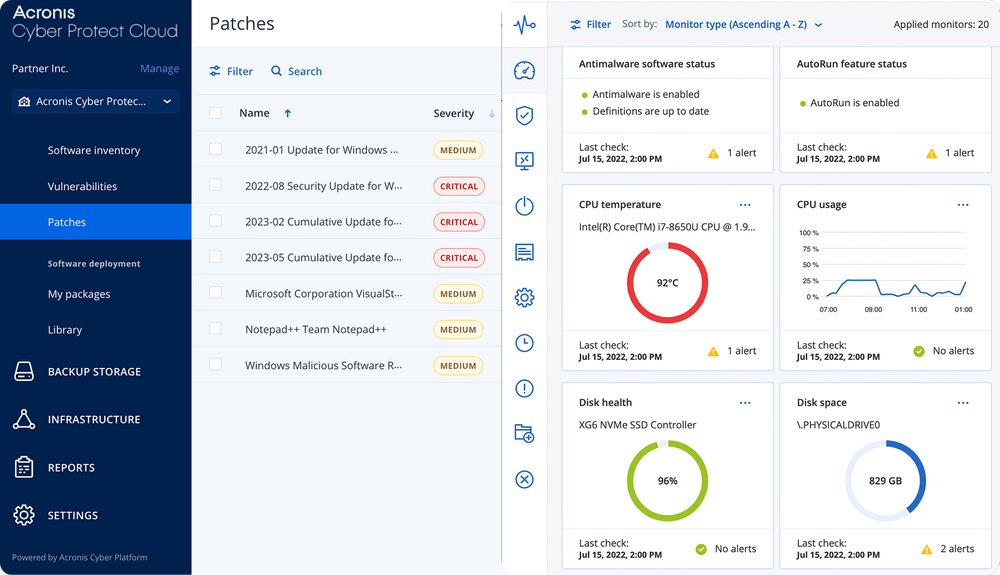
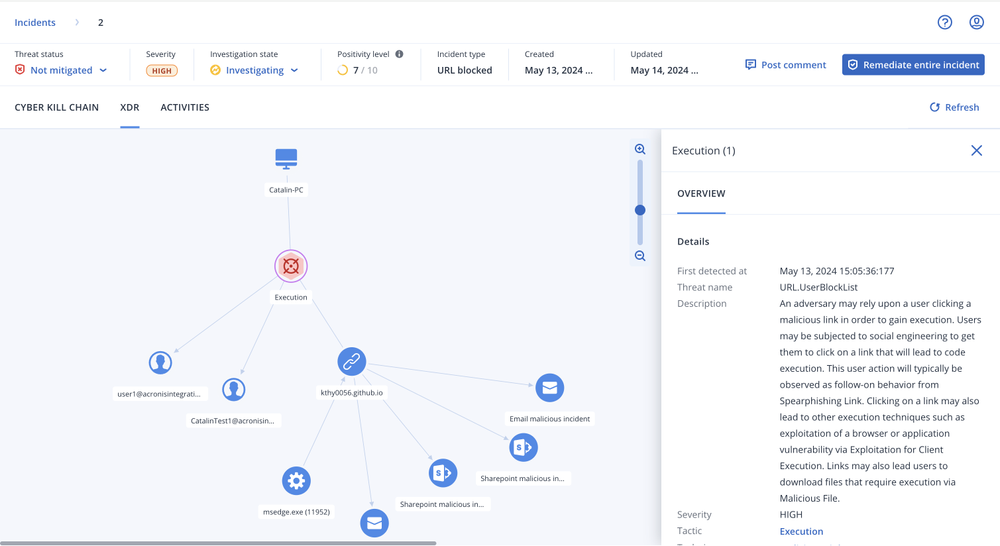
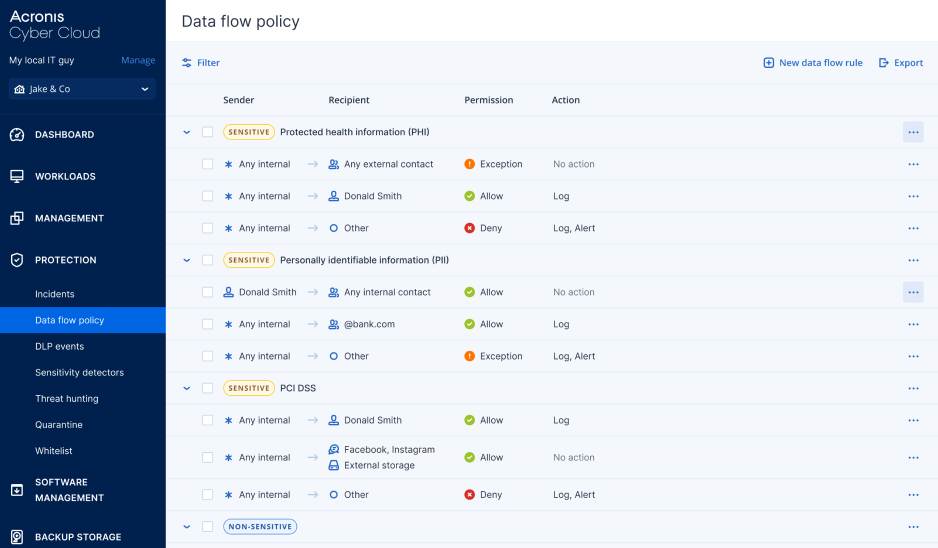
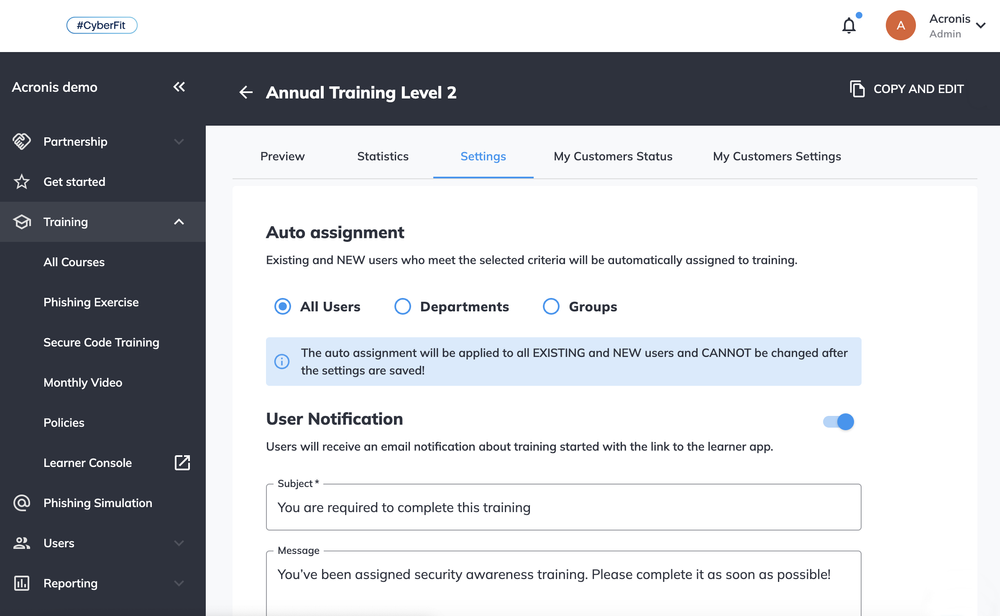
Acronis can support selected technological and operational areas within a broader CAF approach. CAF itself is outcome-focused and broader than any single platform, but the right capabilities can still help organizations strengthen resilience across visibility, protection, detection and response.

Acronis Compliance Navigator

View the mapping to explore how Acronis capabilities align with key CAF objectives

Frequently asked questions

Sorry, your browser is not supported.

It seems that our new website is incompatible with your current browser's version. Don’t worry, this is easily fixed! To view our complete website, simply update your browser now or continue anyway.