
Achieve GDPR compliance with Acronis

Achieve GDPR compliance with Acronis

Meet GDPR requirements with Acronis’ unified tools for cybersecurity and data protection.

How does GDPR relate to cybersecurity?

Adopted in 2016, the General Data Protection Regulation (GDPR) is a comprehensive European Union (EU) regulation that aims to protect the personal data and privacy of individuals within the EU and the European Economic Area (EEA).

GDPR cybersecurity pillars

Data processing

Data processing

Only collect data that’s necessary and relevant for clearly defined purposes. Keep it accurate, store it for as little time as needed and give EU residents the ability to correct or delete their data. Always get specific, informed consent before processing it.
Data protection by design

Data protection by design

Take protection measures, including creating pseudonyms for EU residents’ names, as well as minimizing data collection, processing, storage and accessibility to only what is necessary for a specific purpose.
Breach detection

Breach detection

In the event of a breach, notify the supervisory authority within 72 hours of becoming aware of it. If the breach is likely to result in a high risk to individuals, as most are, communicate the breach to the data subjects involved “without undue delay.”
Security of processing

Security of processing

Implement appropriate technical and organizational measures to protect personal data against unauthorized access, loss or damage.

What are the consequences of failure to comply with GDPR?

Violations can result in administrative fines of up to €20 million OR 4% of total worldwide annual revenue of the organization, whichever is higher. Compliance failures that become public also seriously damage an organization's reputation and can put deals and partnerships in jeopardy.

Where do most organizations fall short meeting GDPR requirements

Even after a decade, GDPR still presents massive challenges to organizations all over the world. Some common shortcomings that can lead to penalties include:
  • Weak access controls: GDPR requires organizations to limit who can access personal data. However, many still do not enforce multifactor authentication (MFA), which is now considered a baseline security measure. Without it, unauthorized access risks remain high.
  • No centralized process for data-subject requests: When individuals request access to, or correction or deletion of, their personal data, organizations often rely on manual processes that are slow and error prone. This makes it difficult to respond within GDPR’s required timelines.
  • Delayed or missed breach notifications: GDPR mandates that organizations report data breaches to authorities within 72 hours, and that they notify affected individuals without undue delay. Many organizations are not prepared to detect breaches quickly or coordinate timely notifications.
  • Lack of security by design and by default: GDPR requires organizations to embed privacy and security into systems and processes from the start. But many organizations treat data protection as an afterthought, applying controls only in limited areas instead of consistently across the business.
  • Unreliable backups and recovery: The ability to quickly restore personal data is critical. If backups are outdated, untested or too slow to recover, organizations risk falling out of compliance, especially during cyber incidents or data loss events.
Where do most organizations fall short of meeting GDPR requirements

How does Acronis help organizations comply with GDPR compliance?

Acronis helps organizations meet core GDPR safeguards with natively integrated protection with compliance-enabling solutions.

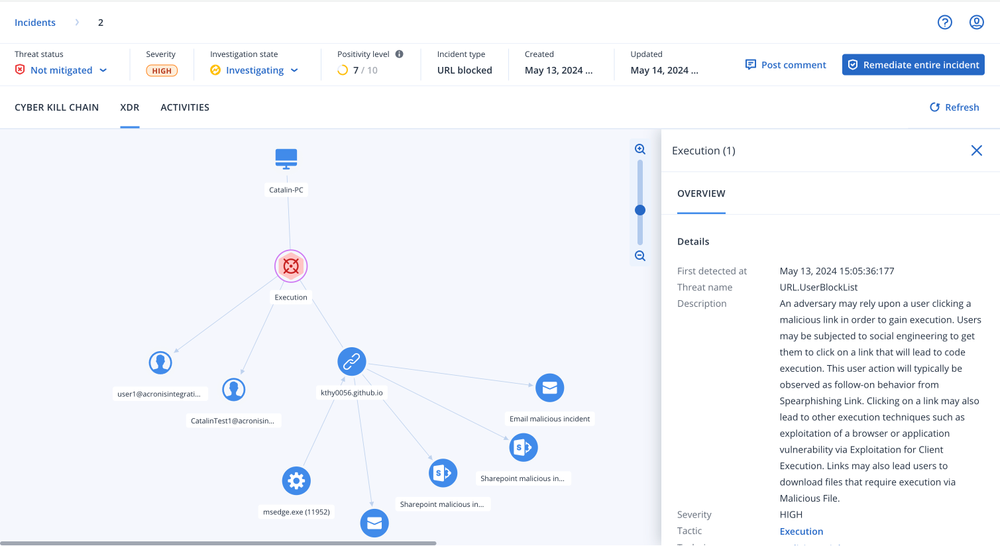
Be ready to provide rapid notification and stop attacks before they can do damage

Acronis solutions enable organizations to detect cyberattacks in real time and stop them before they can do any damage. In case of a breach, Acronis provides predefined workflows to enable organizations to meet GDPR’s 72-hour notification deadline.
Be ready to provide rapid notification and stop attacks before they can do damage

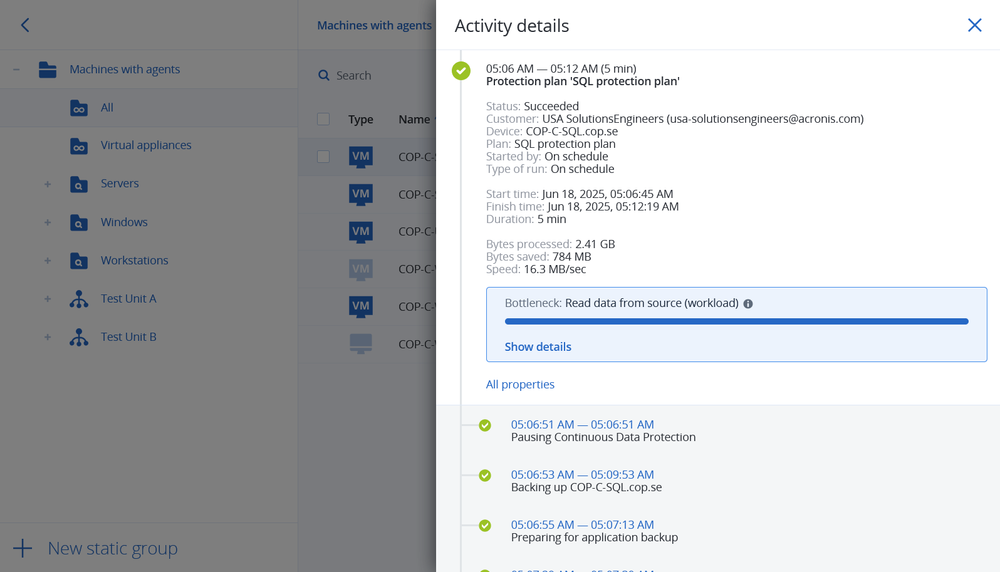
Ensure constant data availability with encrypted backups at all times

Organizations don’t have to worry about meeting requests for data access or recovering from incidents. With Acronis, they can maintain encrypted, immutable backups and run regular recovery tests to ensure data availability. Data is where they need it, when they need it, no matter what.
Ensure constant data availability with encrypted backups at all times

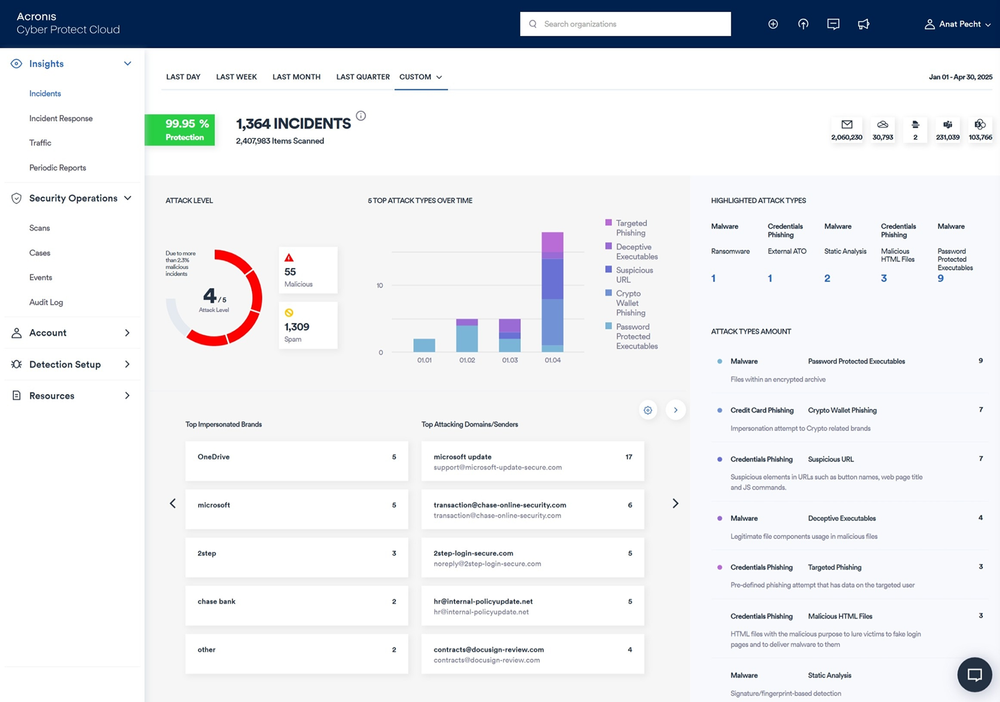
Maintain tamper-proof records, investigations and audits

Acronis enables organizations to keep tamper-proof logs of user activity and system events to support investigations and regulatory audits, putting data controllers in compliance with GDPR regulations.
Maintain tamper-proof records, investigations and audits

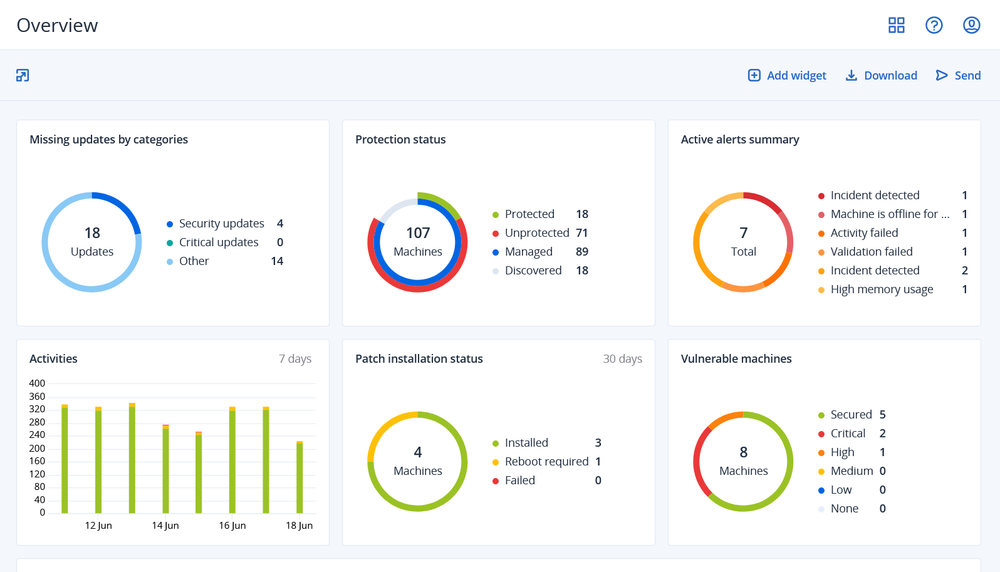
Provide protection that’s on at all times

Proactive protection, including ransomware defense, patch automation and access controls, is not only available but automatically switched on at all times. As such, organizations comply with GDPR’s requirement of data protection “by design and by default.”
Provide protection that’s on at all times
Acronis Compliance Navigator

See the full mapping to discover how Acronis can help you meet GDPR compliance

Looking for help?

Frequently Asked Questions

Sorry, your browser is not supported.

It seems that our website is incompatible with your current browser's version. Don't worry, this is easily fixed!
To view our complete website, simply update your browser now or continue anyway.